
Dont sleep on this! so much electricity independence
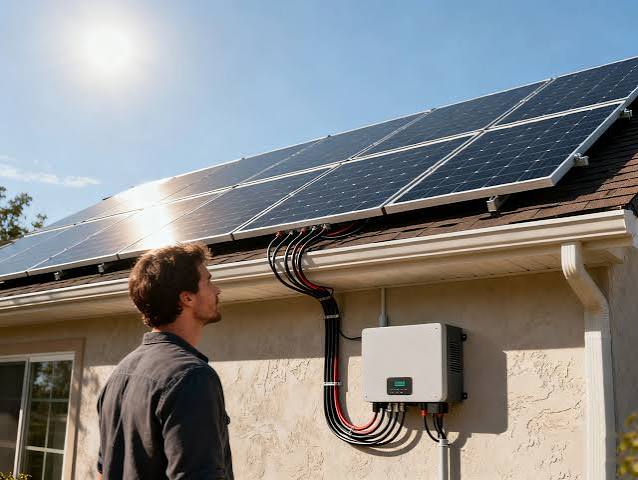
Our solar installation have given us the capability of securing a consistent energy supply produced within our own house, aiming to lessen our household dependence on PHCN power grid.
Solar energy generates environmental clean and renewable energy that significantly reduces your monthly electricity bills. By producing your own power, you become less reliant on the PHCN electricity. With our quality solar installations, you can enjoy long-term savings and spend more time enjoying your electrical appliances.
Wth solar energy, you can take control of your power production. No longer beholden to electricity from PHCN and high estimated bills or unending pre-paid meter recharges, you will have the freedom to generate your own electricity and be less affected by power outages or fluctuations. Enjoy peace of mind knowing that you have a reliable and independent source of energy.
Learn more →
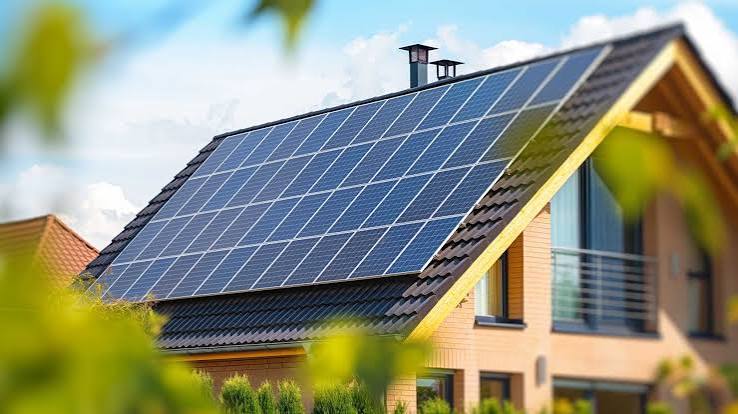
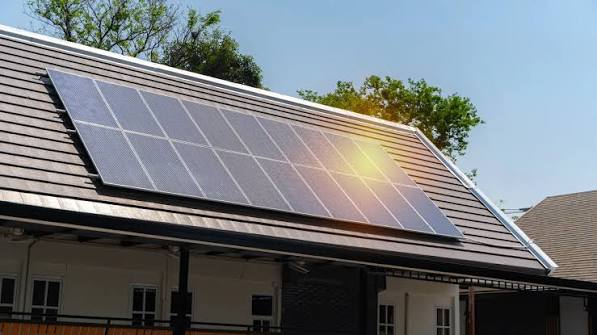
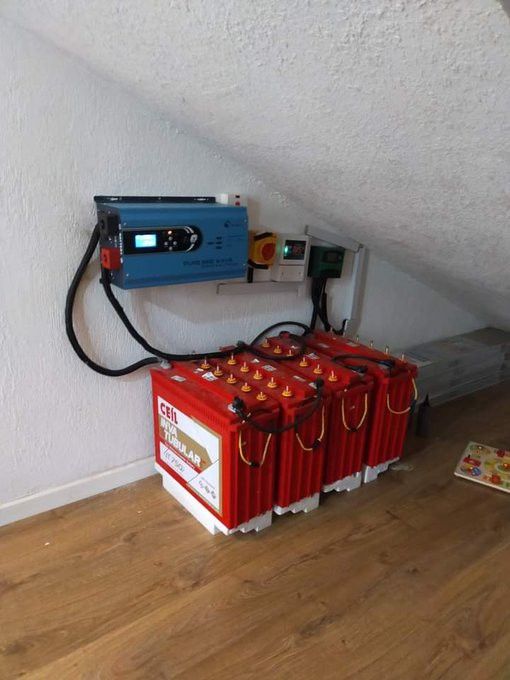
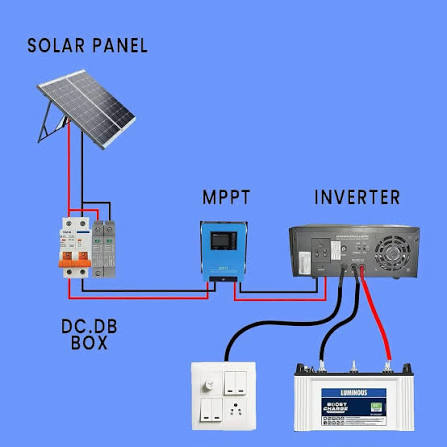
A Basic Power Backup Kit contains a Solar Inverter, a Battery bank and peripherals like DC breaker,
surge protector device as well as DC cables etc. There are no solar panels with the basic power
backup kit, However, you can add solar panels later if you want to.
Provides around 2kW to 2.3kW of usable real power. It runs lights, fans, TVs, computers, decoders,
and a minimium-sized refrigerator.
2.5KVA power solution kit
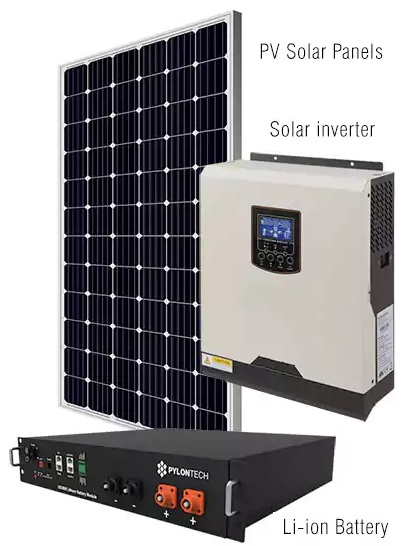
The 2.5KVA power solution kit contains solar inverter, battery bank, Peripherals. This power solution
kit supplements your usage with freely produced solar energy from the sun during the day and supply power
in the evenings when the sun goes down using the energy started in the batteries during the day.
More often than not, your Solar Panels will charge your battery bank during the day so that you
can use the stored solar power in the evenings and during PHCN power failure.
2.5KVA power solution kit provides around 2kW to 2.3kW of usable real power. It runs lights, fans, TVs, computers, decoders,
and a medium-sized refrigerator.
5kVA System: Provides around 4kW to 5kW of usable real power depending on the power factor. It comfortably
handles everything a 2.5kVA system can run, plus heavy-load or high-surge items like a 1HP air conditioner,
a microwave, or a low evergy washing machine.
5kVA System: Provides around 4kW to 5kW of usable real power depending on the power factor. It comfortably handles
everything a 2.5kVA system can run, plus heavy-load or high-surge items like a 1HP air conditioner, a microwave, or a washing machine.
The main difference between a 5kVA and a 10kVA solar energy system is their power capacity, which determines how many appliances they can run simultaneously and how much electricity they can generate.A 10kVA system is essentially double the size of a 5kVA system, making it suitable for larger homes or offices with heavier cooling and heating loads.
A 15kVA system provides high-level energy independence and handles heavy surges. It can comfortably run:Multiple Air Conditioners: 2 to 3 inverter ACs simultaneously.Heavy kitchen appliances: Deep freezers, refrigerators, microwaves, and electric kettles together. Water heating: Borehole pumps (1.5HP+) and electric water heaters.Office equipment: Multiple desktop computers, printers, and server racks.
Our solar installation have given us the capability of securing a consistent energy supply produced within our own house, aiming to lessen our household dependence on PHCN power grid.

Solar is a renewable energy source that power my home and helps to reduce electricity costs. Now I pay 10% of what I used to pay for electricity and my house power never blinks!
Our 2.5 kVA inverter can comfortably power up to about 2,000 watts of combined essential household or office appliances. Check the load analysis below
Appliances to Avoid
Our 5 kVA inverter delivers about 4,000 watts of real power, which can comfortably run standard household essentials including a refrigerator, television, lights, fans, and a 1 - 1.5-horsepower inverter air conditioner.
Appliances to Avoid
Our 10kVA inverter can comfortably power an entire medium-to-large household, handling up to 8,000 to 10,000 watts of continuous load
Appliances to Avoid
Our 15kVA inverter delivers about 12kW to 13.5kW of real power, which is enough to comfortably power an entire large duplex or a medium commercial office, including multiple air conditioners (up to 4–5 units of 1HP or 2 units of 2HP), pumping machines, and heavier household appliances.
Notes
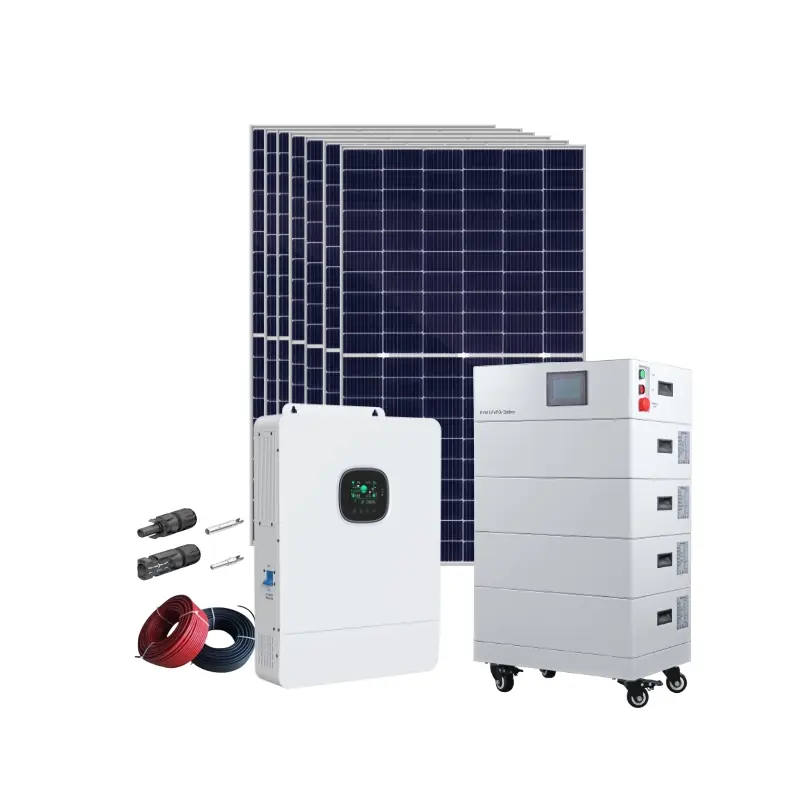
Battery Bank: Proper runtime depends heavily on your battery capacity. A robust setup typically requires a large lithium-ion bank (e.g., 45kWh to 60kWh) or an extensive tubular/SMF battery configuration (such as a 96V, 192V, or 240V system depending on the inverter specification) to back up heavy loads without draining too fast.
Solar Integration: Pairing the system with an adequate array of solar panels (e.g., 10kW to 15kW of panels) ensures your batteries recharge efficiently during the day.